Pomeranian Temperament and Personality
Pomeranians are small dogs with a big-dog attitude: bright, bold, curious and deeply attached to their people. Knowing their quirks helps you decide if one fits your home.
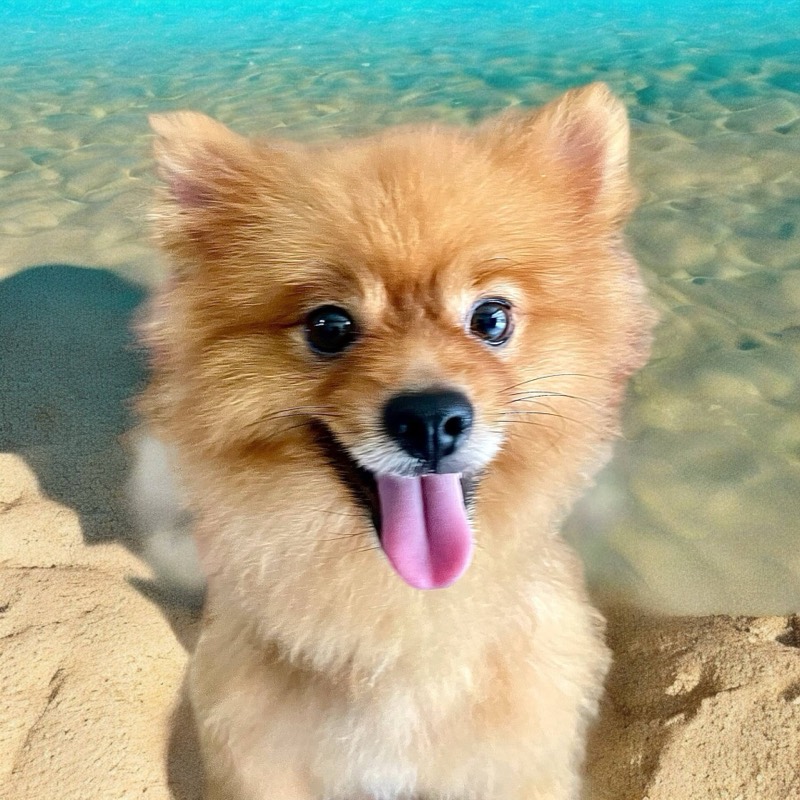
The Pomeranian personality in a nutshell
Pomeranians descend from larger spitz-type working dogs, and it shows. They are alert, confident, quick to learn and full of opinions. Most are affectionate with their families, playful well into adulthood, and happiest when they are right where you are. They are not lap ornaments; a typical Pomeranian wants to be involved in everything.
- Alert: they notice everything and will tell you about it.
- Smart: quick to pick up tricks, and just as quick to learn that barking gets attention.
- Bold: many have no idea how small they are.
- Attached: they bond closely, often with one person in particular.
- Playful: short bursts of zoomies followed by long naps.
Pomeranians and children
Pomeranians can do well with respectful, older children who know how to sit on the floor and let the dog come to them. They are less suited to homes with toddlers and very young kids. The reason is mostly about the dog's safety: a 4-pound dog can be badly hurt if dropped, squeezed or stepped on, and a frightened Pomeranian may snap to protect itself.
If you have children, teach a few simple rules:
- Sit down to hold the puppy; never carry it while walking.
- Let the dog approach you, and let it leave when it wants.
- No disturbing the dog while it eats or sleeps.
- Gentle hands only; no pulling ears, tail or coat.
Always supervise young children with any dog.
Pomeranians in apartments
Pomeranians are one of the better breeds for apartment life. They need little space, their exercise needs are modest, and they can do much of their play indoors. Two things to plan for:
- Barking. Hallway noise and neighbors can set off an alert dog. Training early matters more in shared buildings.
- Potty logistics. Elevators and long hallways make quick potty trips harder for a puppy. Many apartment owners use an indoor turf tray or pad area as a backup. See our house-training guide.
Pomeranians with other pets
Most Pomeranians get along well with other dogs and cats when introduced carefully. Other small dogs are often the easiest match. With large dogs, the issue is size: even friendly play from a big dog can injure a Pomeranian, and Pomeranians do not always respect the size difference. Supervise play, give the small dog places to retreat, and separate them when no one is watching.
Cats often do well with Pomeranians, especially if the cat is confident and the puppy is raised with it. Small pets such as birds, hamsters and rabbits should be kept safely separate; the spitz chase instinct is still there.
Barking
Pomeranians are watchdogs at heart. They bark at the doorbell, at visitors, at the mail carrier, and sometimes at a leaf. You will not eliminate barking entirely, but you can shape it:
- Acknowledge the alert, then call the dog away and reward quiet.
- Do not yell. To a Pomeranian, that sounds like you are barking too.
- Teach a "thank you" or "enough" cue and reward the first second of silence, building up gradually.
- Reduce triggers: a white noise machine near the door, or window film on low windows.
- Make sure the dog is getting enough exercise and mental stimulation. Bored Pomeranians bark more.
Exercise and energy
A couple of short walks a day plus indoor play is enough for most adult Pomeranians, roughly 20 to 40 minutes of activity in total. They enjoy trick training, puzzle toys, and short games of fetch down a hallway. Puppies need shorter, gentler sessions with lots of rest.
Small dog syndrome is a human habit
Pomeranians that bark at everything, snap when handled, or refuse to walk on a leash are usually not "born that way." They have often been carried everywhere and allowed behaviors nobody would accept in a larger dog. Train a Pomeranian like a real dog: basic manners, socialization, handling practice and boundaries, all with positive, reward-based methods. Our first 30 days care guide covers early socialization.
Is a Pomeranian right for you?
A Pomeranian is a good match if you want a smart, affectionate, portable companion and you are happy to brush a coat, put in some training effort, and live with a dog that has opinions. Consider another breed if you need a quiet dog or have very young children.
Every puppy is a little different. When you book a WhatsApp video call, ask us about each puppy's personality, or browse available Pomeranian puppies first.
Frequently asked questions
Are Pomeranians good with kids?
Pomeranians usually do best with respectful, older children. Because they are so small, toddlers can injure them by accident, and a frightened Pomeranian may snap. Always supervise children with dogs.
Are Pomeranians good apartment dogs?
Yes, in most cases. They need little space and modest exercise. Plan for barking training and convenient potty arrangements.
Do Pomeranians bark a lot?
Pomeranians are alert watchdogs and tend to bark at noises and visitors. Consistent, reward-based training and enough exercise can keep barking manageable.
Do Pomeranians get along with other dogs and cats?
Most do when introduced carefully. Supervise play with large dogs because of the size difference, and keep small pets like birds and rodents separate.
See the puppies live on WhatsApp
Pick a time and we'll video-call you from the breeder, puppy in frame, so you can ask anything before you reserve.