Flying With a Pomeranian Puppy
Pomeranians are small enough to travel in the airplane cabin, which makes them one of the easier breeds to fly. Here is how in-cabin travel works and what to expect when your puppy arrives.
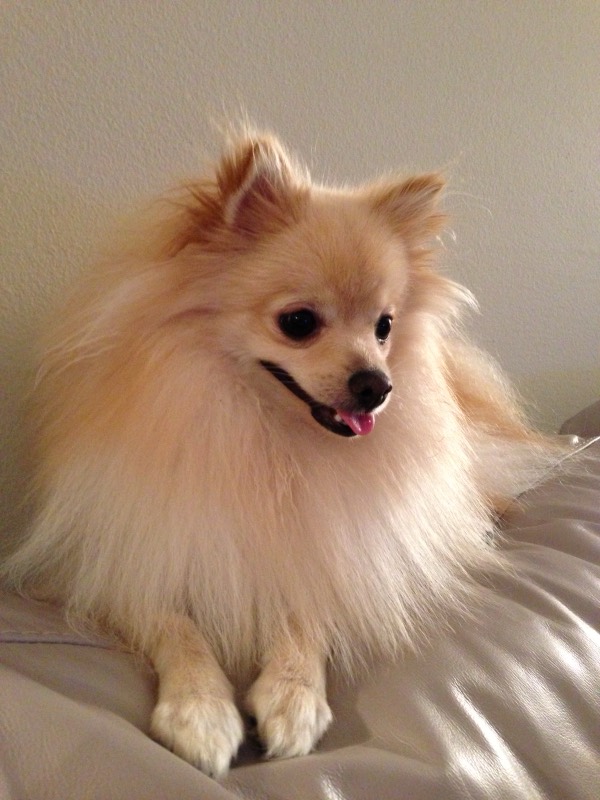
In-cabin travel is the standard for small puppies
Most airlines that accept pets allow small dogs to fly in the cabin in a soft-sided carrier that fits under the seat in front. For a Pomeranian, in-cabin travel is usually the better choice: the puppy stays with a person the whole trip, in a temperature-controlled cabin, and can be checked on and fed.
Airline rules vary
Every airline sets its own pet policy, and policies change. Before booking, check the airline's current rules on:
- Minimum puppy age for travel
- Maximum carrier dimensions and combined weight of pet and carrier
- Pet fees and how many pets are allowed per flight (spaces are limited, so book early)
- Required documents, such as a recent veterinary health certificate
- Restrictions on certain routes, aircraft, or connecting flights
International travel adds another layer: the destination country's import rules. These typically involve age minimums, microchipping, rabies vaccination timing, and specific health certificates. Our import rules page summarizes requirements for the US, Canada and Mexico; always confirm with the official government source as well.
What is a flight nanny?
A flight nanny is a person who flies with your puppy in the cabin and hands it to you at the airport. It is a common way to deliver a puppy over long distances because the puppy is never out of someone's care. A good flight nanny:
- Carries the puppy in an airline-approved carrier under the seat.
- Offers food and water on schedule and keeps the puppy warm.
- Stays in contact with you during the trip.
- Brings the puppy's paperwork and hands it over with the puppy.
Our shipping and delivery page explains how we deliver puppies to major US and Canadian cities and to Mexico City, and how it works covers the full process from video call to arrival.
Choosing a carrier
- Soft-sided with mesh ventilation on at least two sides.
- Within your airline's under-seat dimensions.
- Room for the puppy to stand, turn around and lie down.
- A leak-proof base lined with an absorbent pad and a soft blanket.
- Secure zippers; puppies are good at pushing them open.
Let the puppy spend time in the carrier at home with treats and meals so it feels familiar before travel.
Keeping a toy-breed puppy safe in transit
Small puppies can develop low blood sugar when stressed, cold, or without food for too long. Whoever is traveling with the puppy should offer small amounts of food on a regular schedule and keep the puppy warm. Ask your vet if you should carry a high-calorie supplement gel, and how to use it. Do not give any sedative or calming medication unless your vet specifically prescribes it for travel; many airlines and vets advise against sedating pets for flights. Read more in our Pomeranian feeding guide.
What to expect when your puppy arrives
At the airport
- Bring a secure carrier or harness and leash for the ride home. Do not let a small puppy loose in a busy terminal.
- Collect all paperwork: health certificate, vaccination records and any import documents. Check that the microchip and details match.
- Offer a small amount of water and food once you are somewhere quiet.
The first few hours home
- Take the puppy straight to its potty spot.
- Offer a small meal of the food it has been eating.
- Let it rest in a quiet, warm pen or crate. Travel is tiring, and sleep is the best medicine.
- Keep visitors to a minimum for the first few days.
The first few days
It is normal for a puppy to be a little quiet, eat less, or have a slightly soft stool after a long trip. What is not normal: refusing food, vomiting, diarrhea that continues, weakness, wobbliness or unusual lethargy. Call your vet promptly if you see any of these, especially in a very small puppy. Schedule a wellness exam within the first several days regardless. Our first 30 days care guide walks through the settling-in period.
Flying with your adult Pomeranian later
Once your Pomeranian is grown, the same basics apply: book early, check the airline's pet policy, get a health certificate when required, use a familiar carrier, and plan potty breaks and feeding around flight times. Pomeranians that travel calmly as puppies often make easy travel companions for life.
Start with a video call
Have questions about how your puppy would travel to your city? Book a WhatsApp video call and we will walk you through it while you meet the puppy live, or browse our available Pomeranian puppies first.
Frequently asked questions
Can a Pomeranian puppy fly in the cabin?
Yes. Most airlines that accept pets allow small dogs like Pomeranians in the cabin in a soft-sided carrier that fits under the seat. Rules, fees and age minimums vary by airline, so check the current policy.
What is a flight nanny for puppies?
A flight nanny is a person who flies with your puppy in the cabin and hands it to you at the destination airport, keeping the puppy fed, warm and supervised throughout the trip.
Should I sedate my puppy for a flight?
Do not give any sedative or calming medication unless your vet specifically prescribes it for travel. Many airlines and vets advise against sedating pets for flights.
What should I do when my Pomeranian puppy arrives?
Check the paperwork, take the puppy to its potty spot, offer a small meal of its usual food, and let it rest somewhere warm and quiet. Book a vet exam within the first several days and call your vet promptly if the puppy will not eat or seems weak.
See the puppies live on WhatsApp
Pick a time and we'll video-call you from the breeder, puppy in frame, so you can ask anything before you reserve.