What to Feed a Pomeranian Puppy
Pomeranian puppies have tiny stomachs and fast metabolisms. Getting the type of food and the meal schedule right matters more for a toy breed than for almost any other dog.
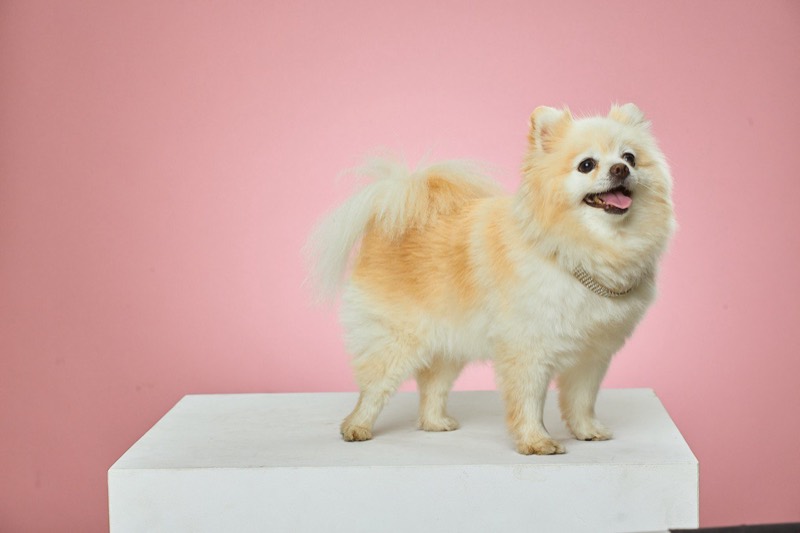
Choose a complete small-breed puppy food
Look for a commercial food labeled complete and balanced for growth (or "all life stages"), ideally a small-breed puppy formula. Small-breed puppy kibble is calorie-dense and comes in pieces a Pomeranian can actually chew. Ask your vet if you are unsure which brands meet these standards.
- Kibble size: small or "toy" bites. Large kibble is hard on tiny mouths and baby teeth.
- Wet food: fine as a topper or for part of the diet, especially for picky eaters. Many owners mix a spoonful into kibble.
- Homemade or raw diets: these are hard to balance for a growing puppy. If you want to go this route, work with your vet or a board-certified veterinary nutritionist.
Start with whatever food the breeder was feeding. If you want to switch, do it gradually over 7 to 10 days, mixing a little more of the new food each day, to avoid an upset stomach.
How often to feed a Pomeranian puppy
Frequent small meals keep blood sugar steady. This is a general guide; your vet may adjust it for your puppy's size and health.
| Puppy age | Meals per day | Notes |
|---|---|---|
| 8 to 12 weeks | 4 to 5 | Very small puppies may need food available more often; never let a tiny puppy go long without eating |
| 3 to 6 months | 3 to 4 | Spread meals evenly from morning to evening |
| 6 to 12 months | 3 | Many Pomeranians move toward adult food around 10 to 12 months; ask your vet |
| Adult (12 months+) | 2 | Some very small adults still do better with 3 smaller meals |
How much per meal?
Start with the feeding guide on your food's bag for your puppy's current weight, then divide the daily amount across the meals above. Adjust based on body condition, not appetite. You should be able to feel the ribs easily under the coat without seeing them. Because a Pomeranian's coat hides a lot, use your hands, not your eyes. Weekly weigh-ins help; compare against our Pomeranian weight chart.
Hypoglycemia: the risk every toy-breed owner should know
Tiny puppies have very small energy reserves. If they skip meals, get chilled, are stressed by travel, or burn off energy playing hard, their blood sugar can drop too low. This is called hypoglycemia, and in very small puppies it can become an emergency.
Signs to watch for
- Unusual sleepiness or weakness
- Wobbling, stumbling or seeming "drunk"
- Trembling or shivering
- Glassy eyes or seeming unresponsive
- In severe cases, collapse or seizures
What to do
Call your vet or an emergency clinic right away. Ask your vet ahead of time if you should keep a high-calorie supplement gel on hand and how to use it while you get the puppy seen. Prevention is simple: regular meals, no long gaps, and keeping the puppy warm. This risk is highest in the smallest puppies; read more in our teacup Pomeranian health guide.
Treats and table food
Treats should stay at around 10 percent of daily calories or less. In a 4-pound dog that is not much, so break treats into tiny pieces or use kibble from the daily ration for training.
Foods to keep away from your Pomeranian include chocolate, grapes and raisins, onions and garlic, xylitol (a sweetener found in some gum, candy and peanut butter), macadamia nuts, alcohol, and cooked bones. If your dog eats something it should not, call your vet or a pet poison control line.
Picky eaters
Pomeranians can be choosy, and owners often respond by adding more and more toppers until the dog only eats chicken. A few habits help:
- Offer meals at set times and pick up the bowl after 15 to 20 minutes.
- Do not switch foods every time the puppy hesitates.
- Try warming wet food slightly, or adding a small spoonful of wet food to kibble.
- Keep treats from crowding out meals.
Important exception: a very small puppy that refuses food is not a training problem. Do not wait it out. Call your vet.
Water
Fresh water should be available at all times. A shallow, heavy bowl works better than a tall one for a short-muzzled dog. Some owners use a small water bottle in the crate for travel.
Dental health starts with feeding
Pomeranians are prone to dental crowding and tartar buildup. Kibble alone does not keep teeth clean. Start toothbrushing as a puppy and ask your vet about dental products. Our grooming guide covers tooth care.
Meet your puppy
When you book a WhatsApp video call with us, ask what the puppy is currently eating and on what schedule, so you can have the same food ready at home. You can browse available puppies any time.
Frequently asked questions
How often should I feed a Pomeranian puppy?
Puppies 8 to 12 weeks old usually eat 4 to 5 small meals a day, dropping to 3 to 4 meals from 3 to 6 months and about 3 meals until their first birthday. Your vet may adjust this for your puppy.
What is the best food for a Pomeranian puppy?
A complete and balanced small-breed puppy food with small kibble is a good default. Start with the food the breeder used and switch gradually if needed.
What are the signs of hypoglycemia in a Pomeranian puppy?
Watch for weakness, unusual sleepiness, wobbling, trembling, glassy eyes and in severe cases collapse or seizures. Contact your vet or an emergency clinic right away if you see these signs.
When should a Pomeranian switch to adult food?
Many Pomeranians move to adult food around 10 to 12 months of age. Ask your vet when your puppy is ready.
See the puppies live on WhatsApp
Pick a time and we'll video-call you from the breeder, puppy in frame, so you can ask anything before you reserve.