Pomeranian Grooming Guide
That big Pomeranian coat looks like a lot of work, but a steady routine keeps it easy. Here is how to brush, bathe, trim and care for teeth the right way.
Understand the double coat
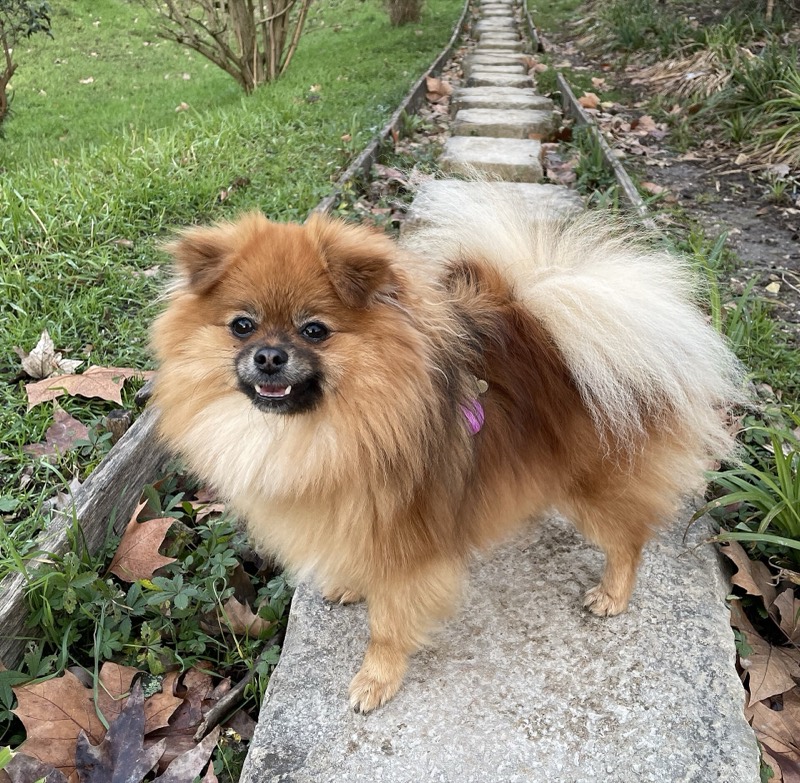
A Pomeranian has two layers: a soft, dense undercoat that insulates, and a longer, coarser outer coat (guard hairs) that stands off the body and gives the breed its fluffy outline. The two layers work together to keep the dog warm in cold weather and protect the skin from sun and heat.
Why you should not shave a Pomeranian
Shaving a double-coated breed down to the skin is a common mistake. It removes sun protection, and the coat does not always grow back the same. In some Pomeranians, coat grows back patchy or very slowly after a close shave. Hair loss in Pomeranians can also have medical causes, so if your dog's coat is thinning, talk to your vet rather than assuming a haircut will fix it.
A neat trim is fine: tidying the feet, around the ears, the rear end, and the outline. If you use a groomer, ask for a "Pomeranian trim" or a scissored shape, and say clearly that you do not want the coat clipped short.
Brushing: the core of Pomeranian grooming
Brush two to three times a week at minimum, and daily during heavy shedding. Puppies should be brushed briefly every day so they learn to enjoy it.
- Line brush. Part the coat with one hand and brush a small section from the skin outward with a slicker brush, working in layers. Brushing only the top layer leaves mats underneath.
- Check with a comb. Run a metal comb through each section. If it snags, go back with the slicker.
- Focus on friction spots. Behind the ears, the armpits, the "pants" on the back legs, and under the collar or harness tangle first.
- Lightly mist the coat with water or a grooming spray before brushing. Brushing a bone-dry coat breaks hairs.
Pomeranians shed year-round and usually "blow" the undercoat more heavily once or twice a year. During a coat blow, daily brushing keeps loose undercoat from packing into mats. Puppies also go through a normal coat transition stage; see the Pomeranian puppy uglies.
Bathing
Every 3 to 6 weeks is plenty for most Pomeranians unless they get dirty. Overbathing can dry the skin.
- Brush thoroughly before the bath. Water tightens mats.
- Use lukewarm water and a gentle dog shampoo, then a light conditioner.
- Rinse until the water runs completely clear. Leftover shampoo causes itching.
- Dry completely, all the way to the skin. A damp undercoat can lead to skin irritation. Use a pet dryer or a human dryer on cool or low setting, brushing as you dry for a fluffy finish.
- Keep puppies warm during and after the bath. Tiny puppies chill quickly.
Nails
Trim nails every 2 to 4 weeks. If you hear clicking on the floor, they are too long. Long nails change how a dog stands and can be uncomfortable.
- Use small-dog clippers or a grinder, and take off a little at a time.
- On light nails, stop before the pink quick. On dark nails, trim in thin slices and stop when you see a darker dot in the center of the cut surface.
- Keep styptic powder nearby in case of bleeding.
- Do not forget the dewclaws if your dog has them.
- Trim the fur between the paw pads so the dog has traction on smooth floors.
Teeth: the most important part of the routine
Pomeranians, like many toy breeds, are prone to dental crowding, tartar buildup and gum disease. Small mouths fit a full set of teeth into very little space. Daily tooth brushing is the most effective thing you can do at home.
- Use a small dog toothbrush or finger brush and dog toothpaste. Never use human toothpaste.
- Start as a puppy with a few seconds a day, building up gradually.
- Focus on the outside surfaces of the back teeth, where tartar builds first.
- Watch for retained baby teeth around 4 to 7 months. If baby teeth are still in place next to adult teeth, your vet may recommend removing them.
- Schedule regular dental checks with your vet; professional cleanings are common for this breed.
Ears and eyes
Check ears weekly. They should be clean and odor-free. Wipe the visible part with a vet-approved ear cleaner on a cotton pad; do not push anything into the ear canal. Wipe away tear residue around the eyes with a damp cloth. Redness, discharge, squinting, head shaking or a bad smell are reasons to see your vet.
A simple grooming schedule
| Task | How often |
|---|---|
| Tooth brushing | Daily |
| Brushing and combing | 2 to 3 times a week; daily for puppies and during shedding |
| Eye wipe | As needed, often daily |
| Ear check | Weekly |
| Nail trim | Every 2 to 4 weeks |
| Bath | Every 3 to 6 weeks |
| Tidy trim (feet, ears, rear) | Every 6 to 8 weeks |
For the tools to have on hand, see our new puppy checklist.
Find your Pomeranian
Coat type varies by color and line; some puppies grow very dense, plush coats. Browse available puppies or book a WhatsApp video call and we will show you the puppy's coat up close.
Frequently asked questions
Can I shave my Pomeranian?
Shaving a Pomeranian's double coat short is not recommended. It removes protection from sun and temperature, and in some dogs the coat grows back patchy or slowly. A neat trim is fine.
How often should I brush my Pomeranian?
Brush at least two to three times a week, using line brushing down to the skin, and daily during heavy shedding. Puppies benefit from a short daily session.
How often should a Pomeranian be bathed?
Every 3 to 6 weeks is enough for most Pomeranians. Brush before bathing and dry the coat completely to the skin.
Why is dental care so important for Pomeranians?
Toy breeds often have crowded teeth that collect tartar quickly, which can lead to gum disease. Daily brushing with dog toothpaste and regular vet dental checks help.
See the puppies live on WhatsApp
Pick a time and we'll video-call you from the breeder, puppy in frame, so you can ask anything before you reserve.