The Pomeranian Puppy Uglies: Coat Stages by Age
Somewhere around four to seven months, many fluffy Pomeranian puppies start to look thin, patchy and a little awkward. It is normal, it has a name, and it passes.
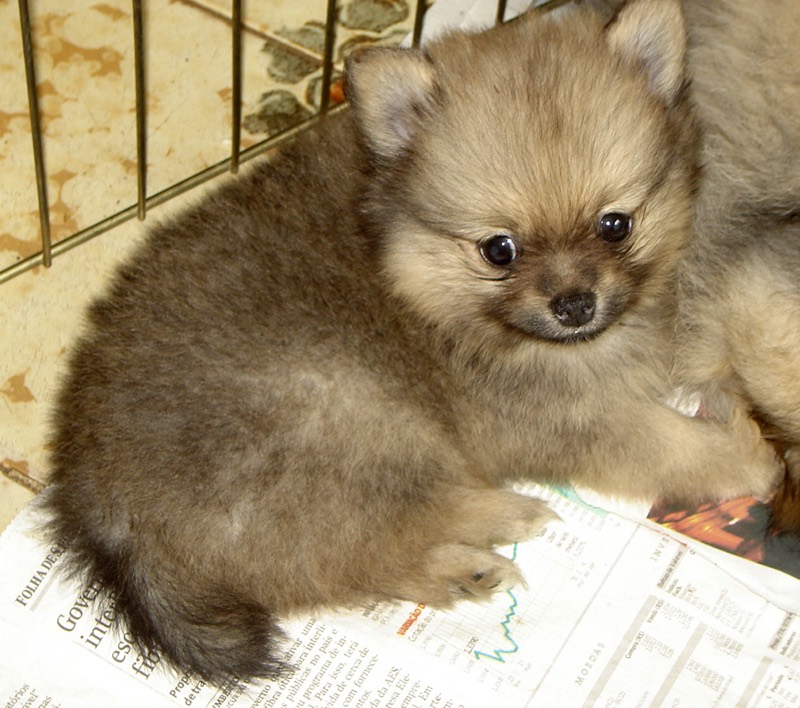
What are the "puppy uglies"?
The puppy uglies is the nickname breeders use for the stage when a Pomeranian sheds its soft puppy coat and grows its adult double coat. For a while, the old coat is falling out faster than the new one comes in. The result can be a puppy that looks thin, uneven, oddly colored, or like a long-legged stranger compared with the cotton ball you brought home.
Not every puppy goes through a dramatic version. Some barely change; others lose most of their fluff for a few months. Both are normal.
Pomeranian coat stages by age
Ages are approximate. Every puppy follows its own timeline, and coat type, color and genetics all play a part.
| Approximate age | What the coat usually looks like |
|---|---|
| Birth to 8 weeks | Short, soft, plush puppy coat. Colors may look very different from the adult color, especially in sables. |
| 8 to 16 weeks | The fluffy "teddy bear" stage. Coat is soft and stands off the body. Most puppies go home around now. |
| 4 to 7 months | The uglies. Puppy coat sheds, sometimes in patches. Guard hairs may appear along the back first. The face can look longer and the legs leggier. |
| 7 to 12 months | Adult coat fills in. The outline begins to look like a Pomeranian again, though the coat is still thinner than an adult's. |
| 12 to 18 months | Adult coat continues to develop. Many Pomeranians do not reach full coat until somewhere between 1 and 2 years, and males often carry more coat than females. |
Color changes during the uglies
Coat color can shift noticeably during this stage, which surprises a lot of owners.
- Sables are often darker as young puppies. The dark tipping may lighten or shift as the adult coat comes in, and the final color can be quite different from the baby photos.
- Creams and whites may show a slightly darker or lighter shade, and some cream puppies have darker ears that stay that way.
- Orange puppies may lighten or deepen as the adult coat develops.
- Parti and black-and-tan markings stay in place, but the edges can look less crisp while the coat is thin.
See our Pomeranian colors guide for photos of each color in puppy and adult coat.
Why it happens
A puppy coat is a single, soft layer designed to keep a newborn warm. The adult Pomeranian coat is a true double coat: a dense undercoat plus a longer outer coat of guard hairs. Swapping one for the other is a natural growth step, the same way puppies trade baby teeth for adult ones around the same age.
How to care for the coat during the uglies
- Keep brushing. Loose puppy coat tangles with the new growth. Gentle line brushing a few times a week, down to the skin, prevents mats and lets new coat grow freely.
- Do not shave or clip the coat short to "even it out." This is the most common mistake and can make the adult coat come in worse. Light tidying of feet and rear end is fine.
- Feed a complete, balanced diet. Coat growth draws on good nutrition. Extra supplements are not usually needed if the diet is complete, but ask your vet.
- Bathe sparingly with a gentle shampoo and conditioner, and dry thoroughly.
- Be patient. It can take months for the adult coat to come in fully.
Our Pomeranian grooming guide walks through brushing technique step by step.
When thin coat is not the uglies
Normal coat change is gradual and the skin underneath looks healthy. Talk to your vet if you notice:
- Bare patches with exposed skin that do not regrow
- Red, flaky, scabby or darkened skin
- Persistent itching, licking or scratching
- Symmetrical hair loss on the body or tail in an adult dog
- Hair loss along with changes in energy, appetite or weight
Skin parasites, allergies, infections and hormonal conditions can all affect the coat. Pomeranians are also known for a hair loss condition sometimes called alopecia X, which is different from the puppy uglies and should be diagnosed by a vet.
Choosing a puppy with the uglies in mind
When you look at an 8 to 12 week old puppy, you are seeing the baby coat, not the adult coat. Looking at the parents tells you more about the coat a puppy is likely to grow. When you book a WhatsApp video call, ask about the parents' coats and colors. You can also browse our available Pomeranian puppies and see how puppies look at different ages.
Frequently asked questions
At what age do Pomeranians get the puppy uglies?
Most Pomeranians go through the puppy uglies somewhere around 4 to 7 months old, though timing varies from puppy to puppy.
How long do the Pomeranian puppy uglies last?
The patchy stage often lasts a few months, and the full adult coat may not develop until somewhere between 1 and 2 years of age.
Should I shave my Pomeranian during the puppy uglies?
No. Shaving or clipping the coat short can interfere with how the adult double coat grows in. Keep brushing gently and be patient.
When should I worry about my Pomeranian puppy losing hair?
See your vet if you notice bare patches that do not regrow, red or scabby skin, constant itching, or hair loss along with other changes in health or behavior.
See the puppies live on WhatsApp
Pick a time and we'll video-call you from the breeder, puppy in frame, so you can ask anything before you reserve.