Orange Pomeranian Puppies for Sale
Orange is the color most people picture when they hear the word Pomeranian: a glowing, fox-bright coat with black points and a face that looks like it is always smiling. Here is what to know about orange puppies before you choose one.
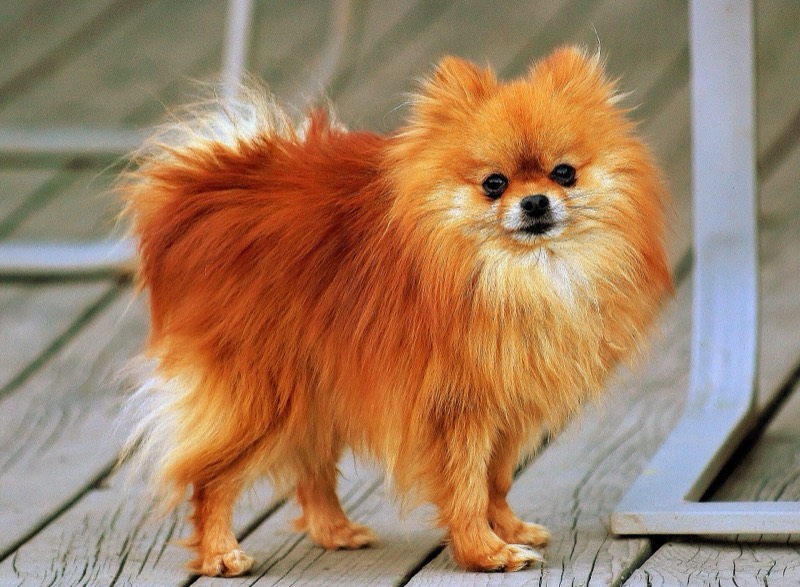
Why orange is the classic Pomeranian color
Orange is the most familiar Pomeranian color, and for good reason. The warm red-family pigment (phaeomelanin) gives the coat a depth that catches light beautifully, especially once the double coat fills out. Orange Poms almost always have black points: a black nose, black lips and dark eye rims, which frame the face and give it that alert, expressive look.
Within "orange" there is a wide range. Some puppies are a clear, even orange from root to tip. Others are orange sable, with dark-tipped guard hairs along the back and ears. Shade is controlled by several intensity genes, so two orange parents can produce puppies anywhere from pale apricot to deep, almost-red orange.
How an orange puppy's coat changes
An eight- to twelve-week-old orange puppy rarely looks exactly like the adult it will become. Many orange puppies carry some dark shading on the ears, tail and along the spine that fades as the adult coat grows in. Between roughly four and ten months, most Pomeranians go through the puppy uglies, when the fluffy puppy coat sheds out and the dog can look leggy and thin for a while. The adult orange color usually settles somewhere between one and two years of age, and the final shade is often a little lighter or richer than the puppy coat suggested.
Grooming an orange coat
Orange coats are forgiving. They hide everyday dust better than white or cream, and tear staining is far less visible. The double coat still needs real work, though:
- Brush down to the skin two or three times a week with a pin brush and a metal comb, paying attention to behind the ears and the "pants."
- Expect heavier seasonal shedding once or twice a year in adults.
- Avoid shaving the coat short. Pomeranian coats can grow back slowly or unevenly after a close shave.
- Strong sun can bleach the tips of an orange coat a shade lighter over a summer, which grows out with the next coat.
What to ask on your video call
Every puppy we offer is shown on a live WhatsApp video call, so you can see the actual dog rather than a filtered photo. For an orange puppy, ask the breeder to:
- Show the puppy in natural daylight, not only under indoor lights, so you can see the true shade.
- Part the coat on the back so you can see whether the hair is clear orange or sable-tipped.
- Show both parents, or recent photos of them as adults, since adult parent color is the best preview of your puppy's future coat.
- Walk through the puppy's vaccination and vet records on camera.
Price varies with coat quality, size and breeder region rather than color alone. Our Pomeranian price guide explains what goes into the cost.
Is an orange Pomeranian right for you?
If you want the look most people associate with the breed, a coat that is relatively easy to keep looking clean, and a wide choice of puppies, orange is a great place to start. Because it is the most common color, you will usually have more litters to choose from, which makes it easier to prioritize temperament, structure and size over shade.
Ready to meet one? Browse available Pomeranian puppies or book a WhatsApp video call to see an orange puppy live.
Frequently asked questions
Do orange Pomeranian puppies change color as they grow?
Usually a little. Dark shading on the ears and back often fades, and the final adult shade tends to settle between one and two years of age. The parents' adult coats are the best guide.
What is the difference between orange and orange sable?
A clear orange coat is orange from root to tip. An orange sable has black-tipped guard hairs over the orange, most visible along the back, tail and ears.
Are orange Pomeranians easier to groom than white ones?
The brushing routine is the same, but orange coats show dirt and tear staining much less than white or cream coats, so they tend to look clean with less effort.
See the puppies live on WhatsApp
Pick a time and we'll video-call you from the breeder, puppy in frame, so you can ask anything before you reserve.