Blue Pomeranian Puppies for Sale
A blue Pomeranian has a soft slate or steel-gray coat with matching blue-gray nose and eye rims. It is one of the rarer solid colors in the breed.
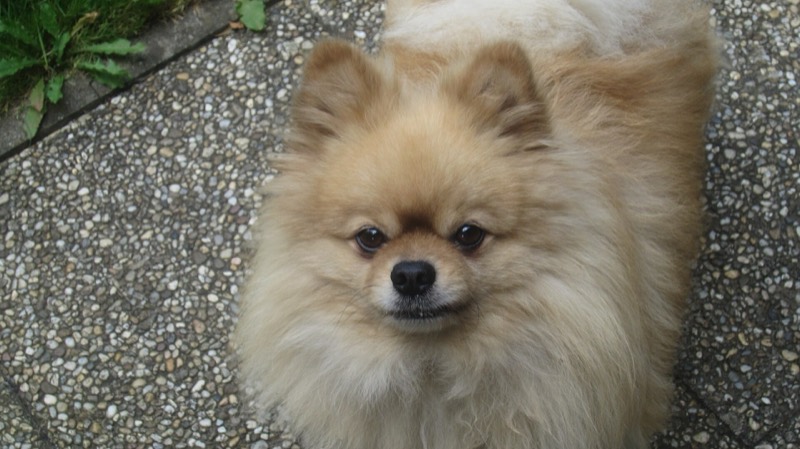
What blue means in Pomeranians
Blue is diluted black. It is caused by a recessive dilution gene on the D locus, and a puppy needs a copy from each parent to show it. Instead of jet black, the pigment appears as a muted gray-blue across the coat and the points: the nose, lips, eye rims and paw pads are blue-gray rather than black. Eyes are often a little lighter than in black Poms.
True blue is different from a gray-looking wolf sable and from a blue merle. Wolf sables have black points and banded hairs; blue merles have a mottled pattern. A solid blue has an even gray-blue coat and gray-blue points. Blue can also combine with other patterns, giving blue and tan, blue sable or blue parti.
How a blue coat changes
Blue puppies often look darker at birth and lighten to their adult shade over the first year or two. Sun can give the tips a brownish cast. The puppy uglies stage is just as dramatic as in other colors, and because blue coats show texture changes clearly, a blue puppy can look quite moth-eaten for a while before the adult coat comes in.
A conservative note on coat and skin
In several breeds, some dogs with diluted coat colors develop a condition called color dilution alopecia, which causes thinning hair and dry, flaky skin, usually in the blue areas. Not every blue dog is affected, and Pomeranians can also lose coat for unrelated reasons. It is still worth asking the breeder about the coat and skin of the parents and any related adult dogs.
Grooming a blue Pomeranian
- Brush two or three times a week down to the skin, gently, with a pin brush and comb.
- Use a moisturizing, mild shampoo and avoid over-bathing.
- Watch for dry patches or thinning and mention any to your vet.
- Limit long sunbathing sessions to keep the color even.
Video call questions for blue puppies
- Ask for a close-up of the nose and eye rims in daylight. They should be blue-gray, not black.
- Ask the colors of both parents and whether they carry dilution.
- Ask about the coat and skin condition of the parents as adults.
- Ask whether either parent is merle, so you can rule out a blue merle.
- Go through the vaccination records, vet check and microchip on camera.
Finding a blue Pomeranian
Because two recessive genes are involved, blue litters are uncommon, and you may need patience. Tell us you are looking for blue when you book a call and we will check across our breeder regions.
See available puppies or book a WhatsApp video call to ask about blue Pomeranians.
Frequently asked questions
How do I know a Pomeranian is truly blue?
Look at the points. A true blue has a blue-gray nose, lips and eye rims. A gray-looking dog with a black nose is more likely a wolf sable or a faded black.
Are blue Pomeranians prone to skin problems?
Some dilute-colored dogs develop color dilution alopecia, which causes thinning coat and dry skin. Not all do, but asking about the parents' coat and skin is wise.
Why are blue Pomeranians rare?
Blue requires a recessive dilution gene from both parents, so it shows up only when both carry it.
See the puppies live on WhatsApp
Pick a time and we'll video-call you from the breeder, puppy in frame, so you can ask anything before you reserve.