Lavender Pomeranian Puppies for Sale
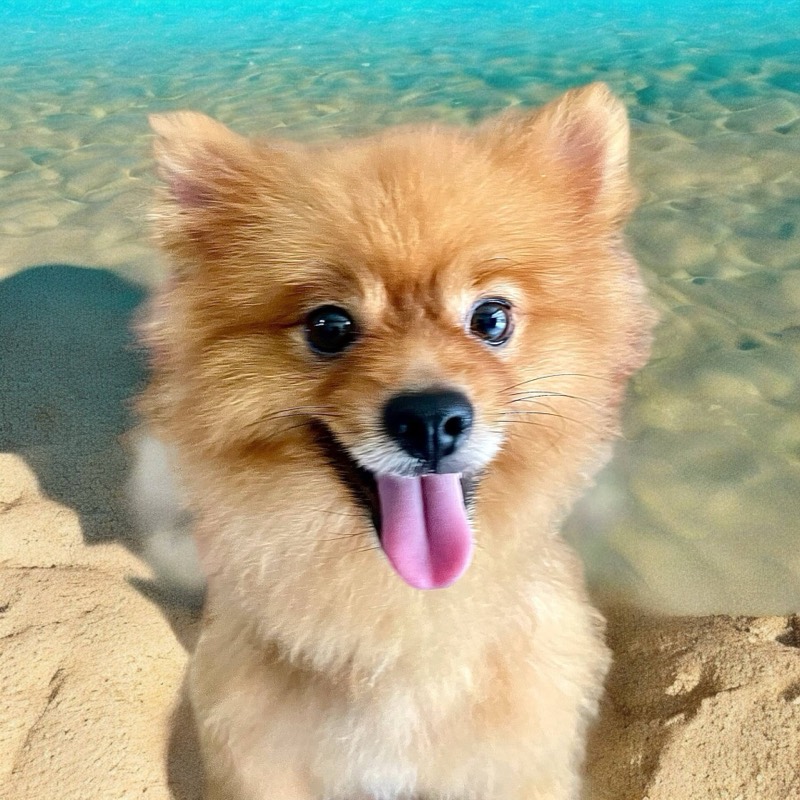
Lavender Pomeranians have a pale, dove-gray coat with a pinkish or lilac cast, along with light brown or gray-brown points. It is one of the rarest colors in the breed.
The genetics of lavender
Lavender is a combination of two recessive genes. The brown gene turns black pigment into chocolate, and the dilution gene softens it further, the same gene that turns black into blue. A puppy needs two copies of each, one set from each parent, to be lavender. That is why lavender litters are so rare, and why a lavender puppy's parents are usually chocolate, blue, beaver or carriers of both genes.
Because it is diluted brown, a lavender Pomeranian has light brown, taupe or grayish points rather than black. Eyes are often light, from amber to a pale hazel. Terms vary between breeders, and lavender is sometimes used loosely for any pale gray-brown dog. If the genetics matter to you, ask whether the parents have been color DNA tested.
How a lavender coat changes
Lavender puppies can look more gray or more brown depending on lighting and age, and the lilac tone often becomes clearer as the adult coat grows. Sun can warm the tips to a beige color. The puppy uglies stage tends to be very visible on dilute coats, so do not be alarmed by a few thin months. The adult color usually settles by about two years.
An honest note on coat and skin
Lavender is a dilute color, and in several breeds some dilute dogs develop color dilution alopecia: thinning hair and dry or flaky skin, usually appearing in young adulthood. Many dilute dogs never develop it, but it is a real consideration. Ask about the coat and skin of the parents and any related adult dogs, and keep an eye on coat quality as your puppy grows. Rare colors should never come at the expense of health, so structure, temperament and the parents' condition matter more than the exact shade.
Gentle grooming for dilute coats
- Brush two or three times a week with a soft pin brush and a wide-toothed comb.
- Use a mild, moisturizing shampoo and avoid over-bathing.
- Limit time in strong sun to protect both color and skin.
- Mention any thinning or flaking to your vet early.
Video call checklist
- Ask to see the puppy in daylight. Lavender can look plain gray or beige under indoor lights.
- Ask for a close-up of the nose and eye rims, which should be light brown or taupe, not black.
- Ask the parents' colors, whether they have been color DNA tested, and whether either is merle.
- Ask about the parents' adult coat and skin.
- Review the vaccination records, vet check and microchip.
Lavender puppies are not always available. Tell us when you book that you are looking for this color and we will check across our breeder network.
See available puppies or book a WhatsApp video call to ask about lavender Pomeranians.
Frequently asked questions
What makes a Pomeranian lavender?
Lavender comes from two recessive genes together: the brown gene that produces chocolate and the dilution gene that produces blue. A puppy needs two copies of each.
Are lavender Pomeranians healthy?
Many are, but like other dilute colors they can be prone to color dilution alopecia, which causes thinning coat and dry skin. Ask about the parents' coat and skin.
Why are lavender Pomeranians so rare?
Both parents must pass on both the brown and dilution genes, which only happens in a small number of pairings.
See the puppies live on WhatsApp
Pick a time and we'll video-call you from the breeder, puppy in frame, so you can ask anything before you reserve.