Tri-Color Pomeranian Puppies for Sale
A tri-color Pomeranian combines three colors in one coat: usually black, crisp tan points and white. The result is a bold, patterned dog with a very expressive face.
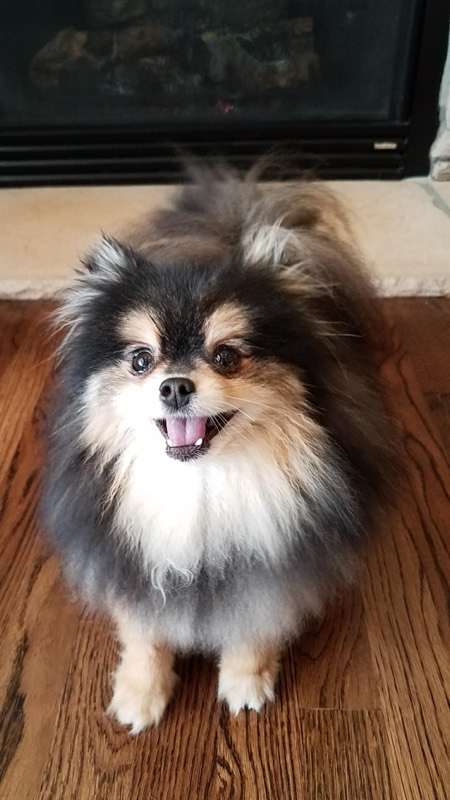
How tri-color happens
Tri-color is two patterns layered together. The first is black and tan, which places tan points over the eyes, on the muzzle, chest and legs. The second is the piebald gene that creates parti coats, adding white areas. Put them together and you get a black, tan and white dog. Both patterns are recessive, so a puppy needs the genes from both parents, which is why tri-colors are less common than solid colors.
Brown-based tri-colors also exist, with chocolate in place of black and brown points, though they are rarer still.
What a good tri-color looks like
Most people look for clear tan eyebrow dots and cheek markings, a white blaze or collar, and black patches with crisp edges. Some tri-colors are mostly white with black and tan patches; others are mostly black with white on the chest and feet. Both are tri-color. The arrangement is personal taste.
How the markings mature
The placement of the white is fixed at birth. The tan points, however, often grow and brighten over the first year. Fluffy adult hair can soften the edges between colors. During the puppy uglies, roughly four to ten months, the coat may look thin and blotchy before filling back in. The finished adult pattern usually appears at one and a half to two years.
Grooming a three-color coat
- Brush two or three times a week down to the skin, working section by section.
- Wipe the white areas of the face daily to prevent tear staining.
- Black areas can sun-bleach; tan points can fade slightly in summer.
- Neat trimming of the feet keeps the leg markings tidy.
Questions to ask on the video call
- Ask the breeder to hold the puppy facing the camera so you can see both eyebrow dots and the cheek markings.
- Ask them to turn the puppy slowly to show the pattern on both sides and the back.
- Ask about the parents' colors, and whether either is merle, since merle tri-colors are a different genetic story.
- Watch how the puppy reacts to sounds from off camera, especially if it has a lot of white on the head.
- Review vaccination records, vet check results and the microchip.
Choosing a tri-color
Because every tri-color is marked differently, seeing the puppy move on a live call is far better than choosing from a single photo. Tell us which balance of black, tan and white you prefer and we can look across our breeder network.
Check available puppies or book a WhatsApp video call to see a tri-color Pomeranian live.
Frequently asked questions
What colors are in a tri-color Pomeranian?
Most often black, tan and white. Brown-based tri-colors with chocolate instead of black also exist but are rarer.
Do tri-color markings change as the puppy grows?
The white areas stay in place, but tan points often expand and brighten, and edges soften as the adult coat comes in.
Is a tri-color the same as a merle?
No. A standard tri-color has solid black, tan and white areas. Merle is a separate gene that creates a mottled pattern and has its own breeding considerations.
See the puppies live on WhatsApp
Pick a time and we'll video-call you from the breeder, puppy in frame, so you can ask anything before you reserve.